The Philosophy of Ageless Fashion
A meditation on clothes that outlast trends, age brackets, and arbitrary rules.
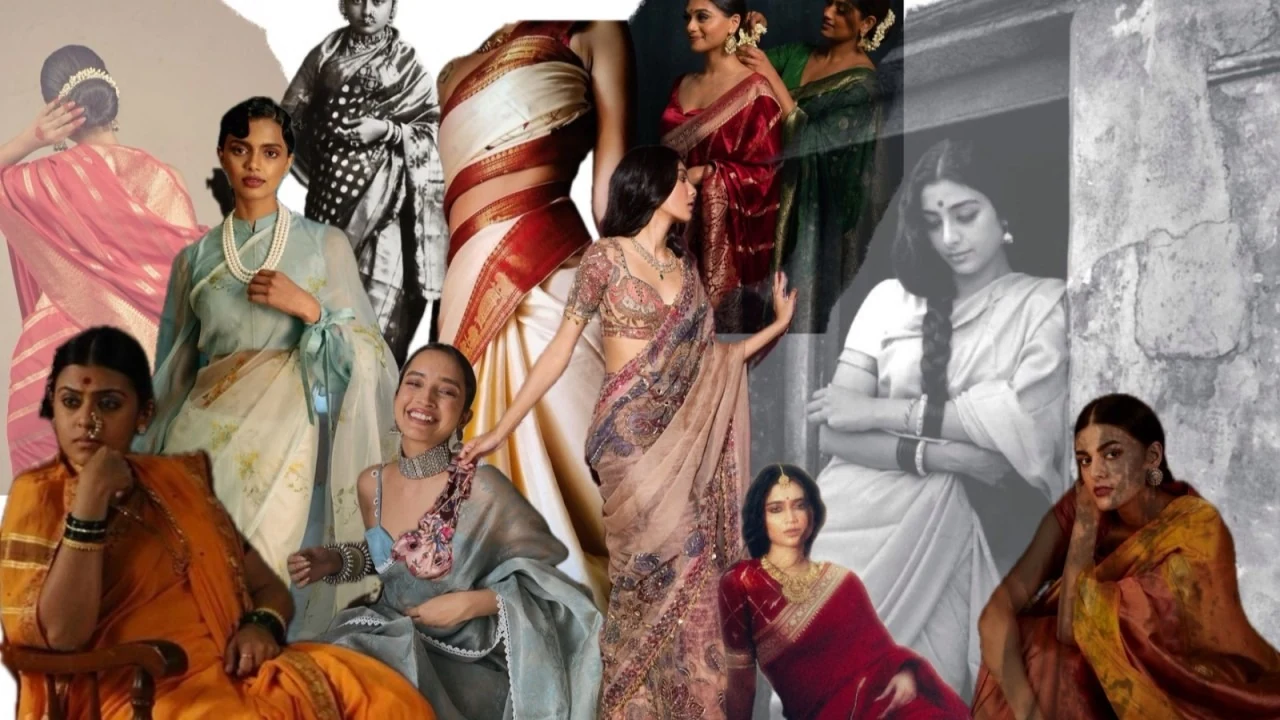
Fashion is often framed as a pursuit of the young — a constantly evolving landscape of trends and reinvention. Yet across cultures and time, clothing has also served as a quiet force of continuity, allowing individuals to carry their identities forward while still adapting to change. In India, garments like the sari, kurta, and sherwani have not only endured but flourished as symbols of ageless elegance. The sari, in particular, transcends time. It evolves with the wearer from a playful drape on a child to a confident expression of femininity and dignity in adulthood. As Banerjee and Miller (2003) note, the sari's ability to remain rooted in tradition while continuously transforming makes it both ancient and contemporary.
We often say fashion is timeless, but to be timeless is not merely to resist age — it is to grow with it. Think of the garments that have lived longer than we have — inherited from our mothers, sisters, grandmothers — refashioned, reworn, and remembered. The sari, especially, is a six-yard narrative; not just cloth, but a philosophy in itself — an ongoing dialogue between body, culture, and memory. Regional variations add layers to this narrative: the bold nauvari drape of Maharashtra enabled freedom of movement for women like Rani Lakshmibai; the atpoure style of Bengal conveyed intellectual elegance and nationalist pride; and the seedha pallu of Gujarat and Rajasthan reflected regal dignity, adorned with mirror work and motifs rich in meaning. Each interpretation is not only a response to geography or community but a reflection of a distinct worldview — practical, poetic, or political.
As we age, the sari becomes a mirror of our own transformation — from a child lost in its folds to a teenager mimicking her mother, to a woman who finally wears it as an extension of herself. It does not merely dress the body — it shapes identity. In a world obsessed with the new, ageless fashion asks us to value depth over novelty, legacy over labels. Perhaps fashion, in its truest form, is not about staying young forever — but about wearing time with grace.