Queer & Indian Fashion: Challenging Norms and New Narratives
How contemporary designers are rewriting the narrative of gender, silhouette, and tradition in India.
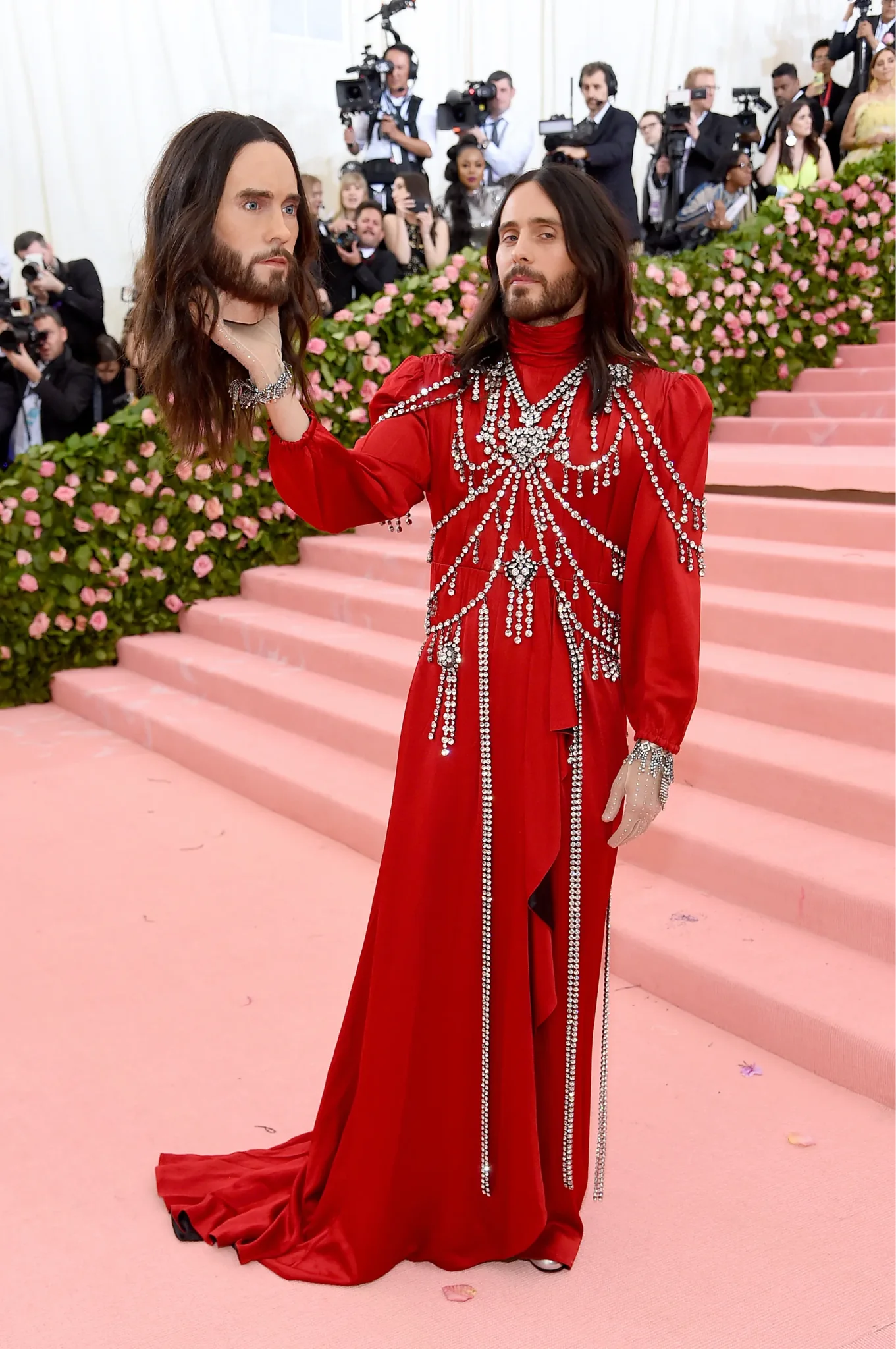
Fashion has long been a powerful medium for challenging societal norms and expressing identity. Globally, queer designers have redefined the industry, embedding their lived experiences into their creations and fostering inclusivity and representation. Designers such as Alessandro Michele, Jean-Paul Gaultier, and Christopher John Rogers have brought themes of gender fluidity, individuality, and self-expression to the forefront, influencing the aesthetics and ethics of fashion. Queer designers contribute not only groundbreaking designs but also advocacy for social progress, challenging traditional gender constructs and amplifying marginalized voices.
The global influence of queer designers has created ripple effects in regions like India, where fashion intersects with deeply rooted traditions and a rapidly modernizing society. Indian queer designers and models have emerged as trailblazers, navigating the complexities of societal acceptance while pushing the boundaries of creativity. This essay explores their journey, from their contributions to the fashion industry to their impact beyond the runway, while highlighting their challenges and transformative potential.
Redefining Norms: The Role of Queer Designers
Indian queer designers like Rohit Bal, Wendell Rodricks, Manish Arora, and James Ferreira have emerged as transformative figures in the fashion industry. Their boldness in embracing their identities and translating their experiences into their designs has created an avenue for visibility and representation. Wendell Rodricks, a trailblazer from Goa, openly advocated for LGBTQ+ rights and environmental sustainability, demonstrating that fashion could be both a medium of expression and a platform for activism. His designs, characterized by simplicity and elegance, defied the ostentatious norms of Indian couture and celebrated inclusivity.
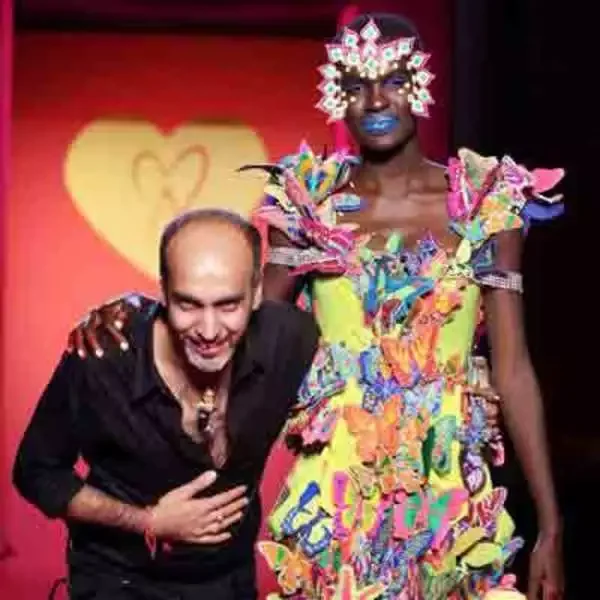
Similarly, Rohit Bal's romantic approach to design reflects his openness about his sexuality. Bal once stated, "If you don't come out of the closet, you will never be happy. You can't be born a cat and act like a dog." This perspective is evident in his collections, which often merge traditional Indian aesthetics with contemporary, gender-fluid silhouettes. Manish Arora, known for his flamboyant style and global success, has subtly addressed his identity, stating that he wouldn't deny his sexuality if asked but prefers to let his work speak for itself. His colorful, avant-garde designs often blur the lines between art and fashion, making him a prominent figure internationally.
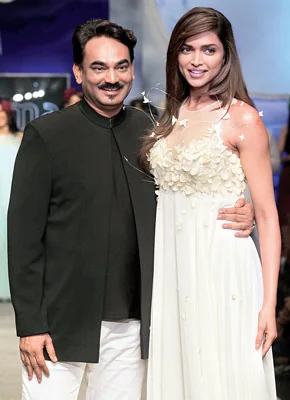
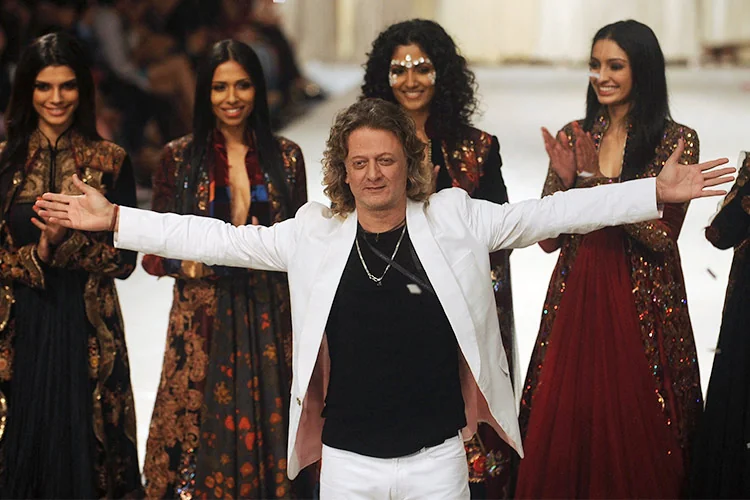
James Ferreira, another pioneering designer, has used his platform to normalize discussions about sexuality. He openly revealed his orientation decades ago, emphasizing the importance of familial acceptance and societal understanding. In an interview, he said, "Parents and society must realize and accept that people are born gay." His design ethos reflects this belief, offering fluid, gender-neutral styles that challenge traditional constructs.
Breaking Barriers: Queer Models in Indian Fashion
Queer models have also played a pivotal role in challenging societal norms and advocating for inclusivity within the Indian fashion industry. Anjali Lama, the first transgender model to walk the runway at Lakmé Fashion Week in 2017, exemplifies resilience and determination. Her participation marked a historic moment, not just for the fashion industry but also for the LGBTQ+ community in India. Lama's journey from Nepal to becoming an internationally recognized model highlights the transformative power of visibility.
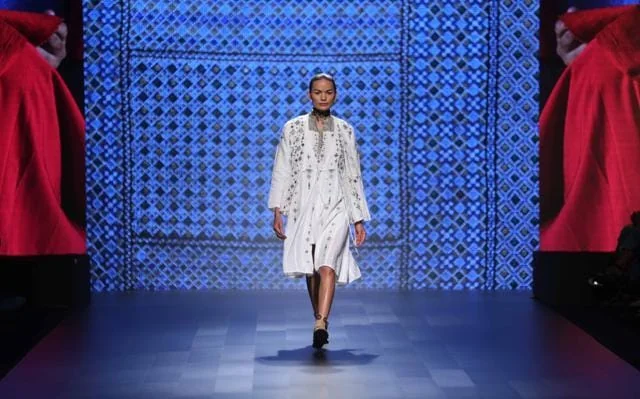
The 2016 LGBT fashion show in Agra further demonstrated how queer models could redefine beauty standards and promote inclusivity. Featuring 21 queer models, the event celebrated diversity and self-expression, challenging the stigma and discrimination often associated with queer identities in India. Such initiatives provide a platform for marginalized voices, fostering a more inclusive fashion industry.
The Global Impact of Indian Queer Fashion
Indian queer designers and models have not only influenced local fashion but also made significant contributions to the global stage. Wendell Rodricks's minimalist designs and environmental advocacy gained international recognition, while Manish Arora's flamboyant collections have been showcased at Paris Fashion Week. These designers bring a unique blend of Indian heritage and contemporary global trends, offering a fresh perspective on fashion.
Their work also aligns with a broader global trend of embracing gender fluidity and non-conformity. Designers like Jean-Paul Gaultier and Alessandro Michele have popularized androgyny in Western fashion, but Indian designers add a distinct cultural narrative. Traditional Indian garments, such as the dhoti and angrakha, inherently possess elements of gender neutrality, reflecting an ancient acceptance of fluidity that predates colonial impositions of binary norms.
In this context, Indian queer designers and models are not merely participants in the global fashion industry but also contributors to a larger discourse on identity and creativity. They draw on India's rich cultural heritage while pushing the boundaries of what fashion can represent.
Challenges and the Path Forward
Despite their achievements, Indian queer designers and models face numerous challenges, including societal prejudices and limited legal protections. The decriminalization of homosexuality in India in 2018 was a significant milestone, but societal acceptance remains a gradual process. Fashion weeks and queer-focused events provide visibility, but the larger battle lies in normalizing queer identities beyond the runway.
Moreover, the commercial success of queer designers and models often depends on their ability to balance authenticity with market demands. As Anita Dolce Vita notes, "Queer fashion is systemically rooted in gender non-conformity and is all about breaking gender binaries." However, mainstream fashion often commodifies queerness without fully embracing its complexities. This creates a paradox where queer designers and models must navigate between authenticity and marketability.
To foster greater inclusivity, the fashion industry must move beyond tokenism and actively support queer voices at all levels. Educational initiatives, mentorship programs, and collaborations with queer artists can help create a more equitable landscape. Furthermore, the industry must challenge the notion that queer fashion is a niche market. As initiatives like TRIB Fashion in Mumbai demonstrate, there is a growing audience for queer-friendly designs that celebrate individuality and diversity.
Conclusion
Queer designers and models in India are redefining the fashion industry by challenging traditional norms and expanding narratives around identity and creativity. Their work reflects a fusion of personal experiences, cultural heritage, and contemporary trends, making Indian queer fashion a powerful force locally and globally. While challenges persist, the resilience and creativity of these individuals continue to inspire change. As the industry evolves, it must embrace inclusivity not just as a trend but as a fundamental principle, ensuring that queer voices remain at the forefront of fashion's ever-changing narrative.