Is Quiet Luxury Relevant In A Country So Loud?
How Indian heirlooms, handloom craft, and a culture of lasting garments challenge the beige aesthetic of quiet luxury.
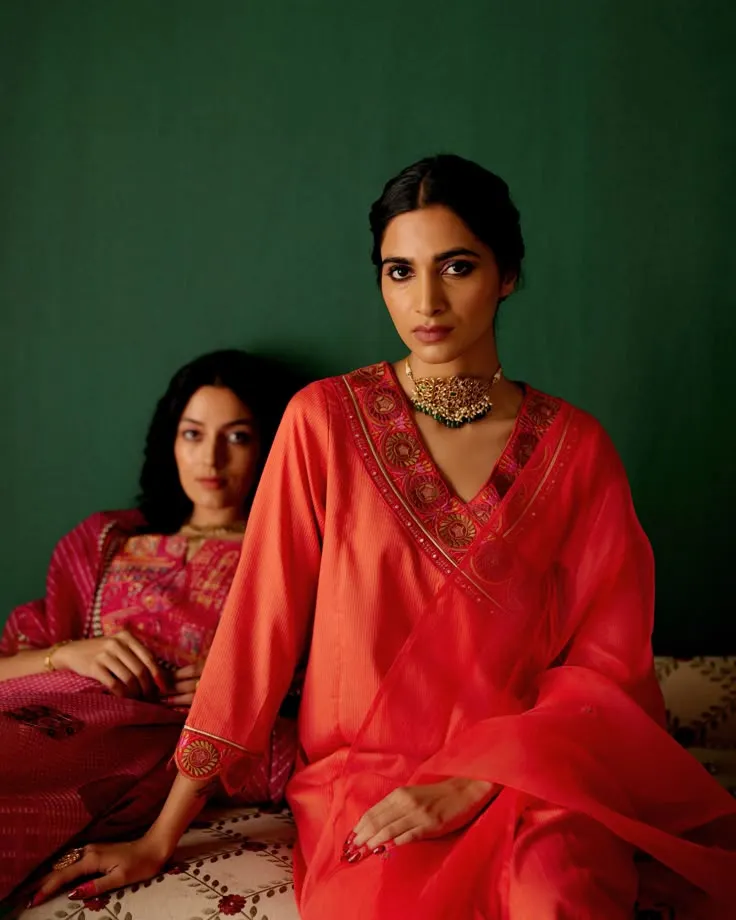
As the world embraces the understated elegance of quiet luxury, one can’t help but wonder — how does India, a land of vibrancy and maximalist traditions, fit into this narrative? And more importantly, must luxury always whisper to be heard?
What Is Quiet Luxury, Really?
Timeless pieces, high-quality fabrics, and understated elegance define quiet luxury in 2025. It favours wardrobe longevity over trend-chasing. Unlike fast fashion, which thrives on overproduction and waste, quiet luxury is rooted in conscious consumption. It celebrates subtle elegance, long-term use, and intentional buying over seasonal splurges.
Often called the old money aesthetic, stealth wealth, or silent luxury — and lately, even lazy luxury — this trend is about letting materials, tailoring, and heritage do the talking. Brands like Bottega Veneta, The Row, and Loro Piana embody this sensibility through exceptional craftsmanship, quiet confidence, and pieces that transcend trends.
Luxury Has Always Been Quiet in India
In Indian culture, preserving and passing down garments is a tradition, not a trend. If kept properly and with care, an Indian silk saree can last over 100 years. That is timeless fashion.
A wedding trousseau in India is often curated with heirloom saris, temple jewellery, and handmade pieces, often with no visible brand, but an unmistakable aura of elegance and sentiment. “We didn’t need a term for it. For us, wearing handloom was always about reverence, not relevance,” says textile historian Rta Kapur Chishti.
The wardrobes of Indian Rajputs and Nizams, then and now, are home to vintage luxury — handwoven fabrics, real zari work, and gold-thread embroidery. In earlier times, and even today in certain regions, real gold and silver threads are used to create garments. At the Mysore silk factory, I saw this firsthand: zari threads crafted in Surat are sent to Mysore, where they are woven into opulent silks, just as they were centuries ago.
While India’s colour palette may not align with the West’s idea of ‘old money’ beige, it has always embodied the essence of quiet luxury — depth, craft, and longevity. Garments made using traditional Indian techniques require hundreds of hours of skilled human labour, woven with the finest threads and intricate detailing. Here, luxury is about legacy, not labels.
Logos vs Legacy: The Indian Consumer Mindset
In India, quality outweighs logos. Wealth is often expressed through fabric, detail, and story, not brand tags. The ‘quiet’ narrative fits into the way Indians have been consuming luxury for centuries.
Whether it’s a Banarasi sari, chikankari embroidery, or meenakari jewellery, the wardrobe of a wealthy Indian often includes pieces passed down across generations. These pieces rarely feature logos, but they carry unmatched value, both cultural and emotional.
“The product supersedes the brand in India. An Indian who walks into a boutique to buy a gorgeous lehenga doesn’t necessarily ask for a Shantnu & Nikhil or Tarun Tahiliani,” says Richa Singh, MD, India & West Asia, Natural Diamond Council. She adds, “Consumers have become selective post-pandemic. They are looking for fewer but better products.”
Fusion of Maximalist Expression and Minimalist Ethics
Quiet luxury doesn’t need to be beige. Indian craftsmanship shows how maximalist forms — rich colour, ornate embroidery, handloom textures — can coexist with minimalist values of longevity and care.
Palak Shah, founder of Ekaya Banaras, explains: “Back in the day, it was simply about wearing a beautiful piece of art. There was no need to flaunt how expensive it was — you just wore it.” “Ladies spend ₹2–3 lakh for a minimalistic border and a buti (motif), and you don’t even have to explain why the butis are so small,” she adds.
She also highlights how India’s 130-year-old Benarasi sari legacy can reach global audiences by honouring craft while aligning it with evolving aesthetic preferences.
“This is the perfect moment for Indian luxury to claim its place on the global stage,” says Bijou Kurien, chairman of the Retailers Association of India.
Post-Pandemic Shift: A Return to Conscious Luxury
The pandemic shifted our consumption patterns. As the country recovered, luxury aspirations became more mindful. In India today, even Gen Z prefers sustainable, eco-conscious fashion over fast fashion.
According to a 2024 Mintel India survey, 72% of urban Gen Z consumers said they preferred to invest in fewer but better fashion pieces. A 2023 Statista report indicated that the Indian sustainable fashion market is projected to grow at a CAGR of 10.5% through 2028.
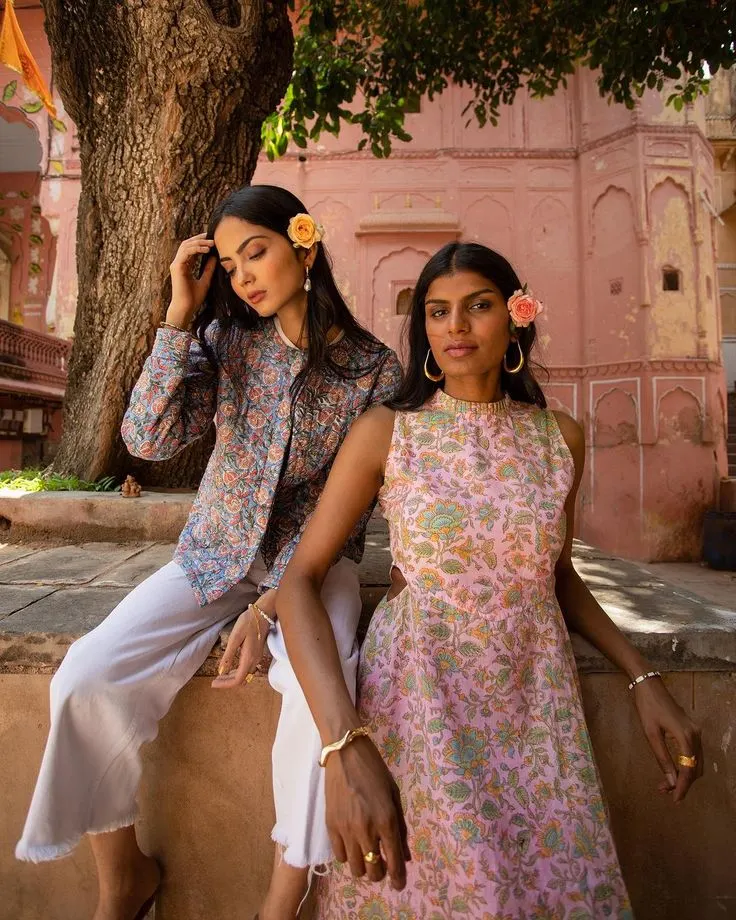
While Indian culture is deeply rooted in vibrancy, millennials and Gen Z are blending Indian heritage with softer Western aesthetics. Brides today are increasingly opting for pastel or even white lehengas, replacing the traditional reds, while still incorporating hand embroidery and heritage jewellery. It’s quiet, but it’s still distinctly Indian.
The Future of Quiet Luxury in India
So, where does this leave Indian fashion now? Positioned at a crossroads — where past meets present, and heritage meets future.
“Luxury in India isn’t about being loud. It’s about being layered — with history, with labour, with soul,” says design curator Mayank Mansingh Kaul.
Homegrown brands like Raw Mango, Ekaya, Torani, and Abraham & Thakore are already embracing this direction, infusing minimalism into Indian silhouettes, textiles, and storytelling. With the right global-facing collections and narrative framing, Indian luxury has the chance to redefine quiet luxury for the world, not as a Western ideal, but as a deeply rooted cultural ethos.
Quiet luxury doesn’t mean silencing culture — it means letting it speak softly, elegantly, and with purpose.