We’re All Buying H&M in a World Where We Want to Stand Out
A reflection on fast fashion, sameness, and the paradox of wanting individuality from mass-produced clothes.
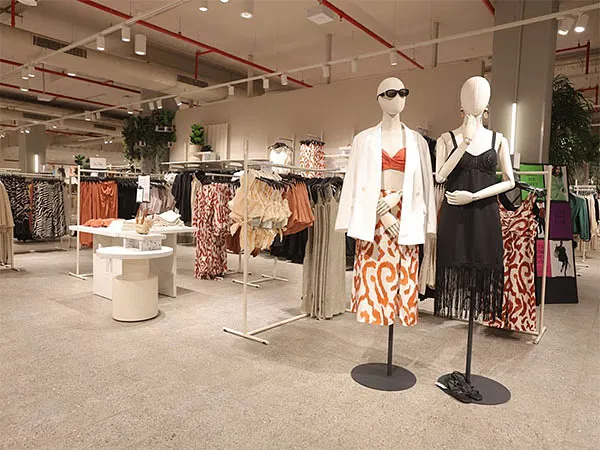
In the age of self-expression, why do we all shop from the same places?
We all say we want to stand out.
“I want to be different.”
“My fashion is my personality.”
“Style is a form of self-expression.”
But somehow, we all end up walking into the same glass doors of H&M, Zara, and Mango. And often, walking out in the same outfit as everyone else.
We say we want to look different, yet we shop at the very places designed to make us blend in. If fashion is supposed to be about individuality, why does everyone own the same cargo pants, crop tops, and oversized shirts?
How many times have you spotted someone wearing the exact same top as you, and cringed a little inside?
This is the modern-day fashion paradox: in a world obsessed with standing out, we’re all shopping to fit in.
The Trap of Trendy Convenience
Despite our desire for originality, we constantly circle back to fast fashion giants. Cheap prices, frequent new arrivals, and glossy influencer campaigns keep us hooked. H&M, for instance, has mastered the riddle of offering affordability and the illusion of personal style.
By quickly replicating runway trends and turning them into wearable versions within weeks, H&M sells us the fantasy of fashion-forward individuality. But the catch? Everyone else is buying the same dream.
With each drop designed for mass appeal and global distribution, “choice” is really just an illusion. You’re not customizing your wardrobe — you’re selecting your uniform from a list.
Individuality is Trending — So It’s No Longer Unique
Social media has made fashion more accessible than ever. But it’s also made trends feel like obligations. Influencers tell us how to dress “different” — and the moment they do, their uniqueness becomes a blueprint.
Whether it’s an aesthetic like “clean girl” or “downtown cool,” what begins as one person’s distinct style quickly becomes a viral lookbook. Even support for small businesses often turns into another trend cycle — local designers get a flash of visibility, and suddenly their handmade pieces are everywhere.
Then there are people like Urfi Javed, Iris Apfel, and Ranveer Singh — who wear fashion like armor, like rebellion, like pure art. Urfi’s often outrageous and DIY outfits spark both admiration and criticism — but never indifference. Iris Apfel, at over 100 years old, continues to be a global style icon, unapologetically mixing bold prints, layers, and statement jewelry that would intimidate most. Ranveer Singh, known for his fearless menswear choices, breaks gender norms and dress codes with prints, skirts, sequins, and drama — and still owns the red carpet every time.
Love them or hate them, they represent what most of us crave but rarely dare to embody: fashion that defies the norm and makes people look twice.
The Consumer Conundrum
Where does that leave the rest of us — the everyday consumer who wants to be different, but also doesn’t have ₹10,000 to drop on a jacket?
Fashion and affordability rarely go hand in hand. But does individuality have to be expensive?
There are countless independent designers — local artisans, global creatives, and sustainable start-ups — offering bold, innovative designs. But they’re often overshadowed by the fast fashion algorithm. Out of sight, out of wardrobe.
Supporting them takes more effort, more money, and often more time. But it also offers something H&M can never have: authenticity.
The Takeaway: It’s Time to Rethink “Standing Out”
True style isn’t always about wearing something new — it’s about wearing something you. It could be a thrifted jacket, a passed-down saree, a handmade earring from a flea market, or a simple white shirt you style in a way no one else can.
H&M is convenient, yes. But real individuality rarely comes in a plastic bag with a return receipt.
So the next time you say, “I want to stand out,” ask yourself: Are you shopping to express yourself, or to be accepted?
And maybe, just maybe, skip that next Zara haul — and take a walk somewhere off the algorithm.